

Recognizing Emergencies: When Your Pet Needs an Immediate Exam
You walk into the room and know that something just isn’t right with your pet. Maybe they are usually bouncing around, but now they’re quiet and withdrawn- or their food bowl is left untouched. That sinking feeling in your stomach hits you: “What if it’s serious?” Our pets depend on us entirely, but they can’t speak up when they’re in distress. Recognizing when something is truly urgent- collapse, labored breathing, pale gums, or persistent vomiting- can save a life.
At Fountain Valley Emergency Pet Hospital, we understand how overwhelming these moments can be. Our emergency team is available evenings, weekends, and holidays to provide fast, expert care for dogs, cats, and exotic pets. Whether your companion needs immediate surgery, oxygen support, or diagnostic testing, our calm, compassionate team is ready when every second counts.
Understanding When to Seek Emergency Care
While not every issue is life-threatening, some problems escalate quickly and start with vague signs. Our emergency services include digital X-rays, ultrasound, EKG, blood work, and advanced monitoring to help us identify issues right away and begin treatment. It’s always better to have your pet checked and be reassured that they’re okay, rather than waiting too long. A few hours of time can be the difference between going home that day with medications, or needing intensive care, hospitalization, or emergency surgery.
If your pet has been in a traumatic incident- a fall, hit by a car, or attacked by another pet- seek care even if they seem fine. Problems like internal bleeding don’t show symptoms immediately, and by the time your pet is acting off it may be too late.
Performing a Safe At-Home Check
If you suspect an emergency, skip the exam and go directly to our hospital. Prioritize safety above all- injured or frightened pets may bite, scratch, or lash out in pain, even if they’ve never shown aggression before.
Approach slowly and speak calmly to avoid startling them further. Consider using a blanket or towel to gently wrap and secure your pet during transport, which can provide comfort while protecting you from unintentional injury. If your pet is large, aggressive due to pain, or unable to move safely, call us for guidance on the best way to transport them without causing further harm to you or your pet.
When you’re unsure, trust your instincts- our team can help you determine if it’s time to come in or how to stabilize your pet until arrival. You can contact us anytime for immediate guidance.
How to Tell When It’s an Emergency
Knowing your pet’s normal behavior, breathing, and heart rate helps you recognize changes early. Recognizing patterns helps owners act quickly and calmly. Performing a home exam can help you gather information for the veterinarian- but when in doubt, it’s safest to call right away. Careful observation helps, but prompt action saves lives.
Here’s what to check and what symptoms to watch for if you’re worried something is wrong.
Pulse and Breathing
At rest, dogs typically breathe 10–30 times per minute, while cats average 20–30. Their hearts beat around 70–120 times per minute (dogs) and 120–160 (cats). Place a hand gently on the chest to count. Irregular rhythms, wheezing, or respiratory distress– open-mouth breathing, gasping, or blue gums- mean your pet needs immediate veterinary attention.
You may also see flared nostrils, extended necks, or rapid abdominal movement- these are physical signs of breathing difficulty and can indicate an asthma attack, heart failure, or airway obstruction. Never delay when these symptoms appear.
Temperature
A normal temperature is between 100.5°F and 102.5°F. Readings below 99°F or above 103°F indicate potential shock, infection, or heatstroke. Always prioritize safety when taking a rectal temperature- stressed or painful pets may bite. If your pet resists, skip the reading and head straight to the clinic.
Heatstroke cases are particularly urgent in warm weather or after vigorous activity. Even a few minutes of overheating can lead to organ damage. Cooling your pet gradually while en route to the clinic can save their life.
Gum Color and Hydration
Healthy gums are pink and moist. Pale, blue, or tacky gums can signal dehydration, anemia, or oxygen deprivation. To check hydration, gently pinch the skin between your pet’s shoulder blades- it should flatten instantly. Slow return or tenting means dehydration, which can worsen rapidly.
Dark red gums, on the other hand, may indicate heat exhaustion or blood poisoning, while white or gray gums point to shock or internal bleeding. If you’re unsure, take a photo and call our team for direction. Some pets naturally have darker gums due to their coloration- making it even more important to know what your pet’s “normal” looks like.
Pain Indicators
Pain can manifest in subtle ways: restlessness, hiding, excessive panting, limping, trembling, or reluctance to move. Cats may crouch or avoid touch; dogs may pace or whimper. Any behavior that feels “off” deserves attention. Unexplained aggression or withdrawal can also be a pain response, particularly in older pets with arthritis or internal discomfort.
Changes in Consciousness
If your pet collapses, stumbles, seems disoriented, walks in circles, or fails to respond, seek immediate veterinary help. Changes in awareness can stem from heart issues, toxins, or neurological conditions- a large number of conditions. If you have a toy breed puppy or a diabetic pet, be especially aware of the risk of hypoglycemia. If blood sugar dips too low, pets will become unresponsive or slip into a coma.
Changes in Eating and Drinking
Loss of appetite or sudden refusal to eat or drink can signal anything from mild stomach upset to serious illness. While missing one meal isn’t always urgent, prolonged loss of appetite requires veterinary attention- especially in cats, where even 24 hours without food can lead to liver complications. If your pet’s eating habits change dramatically or persist for more than a day, contact us for guidance.
Vomiting and Diarrhea
Occasional vomiting or soft stools can result from dietary indiscretion- eating something they shouldn’t have. However, repeated episodes, bloody stool, persistent diarrhea, or projectile vomiting are red flags requiring immediate care. These symptoms can lead to rapid dehydration, especially in puppies, kittens, and senior pets.
Gastric dilatation-volvulus (bloat)– a life-threatening emergency common in large, deep-chested dogs- causes unproductive retching, a distended abdomen, and extreme restlessness. If you suspect bloat or your pet shows signs of severe abdominal pain, don’t wait- seek emergency veterinary care immediately.
Changes in Urination
Straining to urinate, producing only small amounts of urine, or vocalizing while urinating are serious warning signs that should never be ignored. In male cats especially, urethral obstruction is a life-threatening emergency that can develop within hours- if your cat is straining in the litter box or crying in pain, immediate veterinary intervention is critical.
Bleeding
Any active bleeding requires immediate attention, though the urgency depends on the source and severity. Lacerations from cuts, bites, or accidents should be wrapped with clean pressure to control bleeding while you transport your pet to the clinic. Nosebleeds, blood in vomit or stool, or blood in urine are particularly concerning as they often indicate internal problems like poisoning, clotting disorders, organ damage, or tumors.
Eye Changes
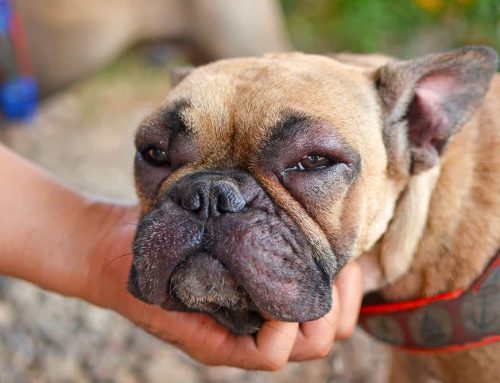
Eye problems can escalate quickly and often indicate serious pain or damage requiring immediate treatment. If your pet is squinting, holding an eye shut, pawing at their face, or showing excessive tearing, they may have a corneal ulcer, foreign object, or scratch that needs urgent care to prevent permanent vision loss.
Sudden redness, cloudiness, or a white or blue film over the eye can signal glaucoma, uveitis, or trauma- all painful conditions that worsen rapidly without intervention. If one pupil appears larger than the other, or if both pupils are dilated and unresponsive to light, this may indicate neurological issues, toxin exposure, or severe pain. Any sudden change in eye appearance, size, or your pet’s ability to see should be treated as an emergency- eye injuries deteriorate quickly, and delays in treatment can result in blindness.
Coughing and Sneezing
Any coughing or sneezing that appears suddenly, seems uncontrollable, or is paired with lethargy, fever, or loss of appetite should be evaluated by a veterinarian right away. Persistent violent sneezing can indicate a nasal foreign body like a foxtail or grass awn lodged in the nasal passages, which requires prompt removal to prevent migration deeper into the body.
A cough that worsens at night or with activity may signal congestive heart failure, particularly in older pets or certain predisposed breeds. If your pet is coughing up blood, foam, or showing blue gums alongside respiratory distress, this is a life-threatening emergency.
Gait Changes and Paralysis
Sudden limping, inability to bear weight, or dragging a limb requires immediate evaluation- these signs often indicate fractures, torn ligaments, or neurological damage. Puppies and kittens are particularly prone to fractures from falls, rough play, or accidents due to their fragile, growing bones, and any severe limping in young animals should be treated urgently.
If your pet is suddenly paralyzed in one or more limbs, dragging their back legs, or unable to stand, conditions like intervertebral disc disease, spinal injury, or stroke may be at play- time is critical, as permanent nerve damage can occur within hours. Watch for loss of conscious proprioception, where your pet stands with the top of their paw on the ground rather than placing it normally- this signals serious neurological problems.

Preparing for a Pet Emergency
Preparation helps you stay calm and effective in critical moments. Familiarize yourself with cat and dog first aid principles to respond quickly.
Keep these essentials ready at home or in your car:
- Location of the nearest emergency veterinary hospitals
- Basic first-aid supplies (bandages, antiseptic wipes, saline rinse, tweezers, thermometer)
- Secure carrier or leash
- Towel or blanket for warmth and restraint
- Copies of medical records and vaccination history, especially if your pet has chronic conditions
- For diabetic pets, keep corn syrup or honey on hand to rub into their gums in case of low blood sugar
Include any ongoing medications and note dosage instructions for reference. Having a written plan saves time during stressful moments.
Frequently Asked Emergency Questions
“Can I give my pet human medication for pain?”
No- never administer human medication. Even small doses can be toxic or fatal.
“What if my pet ate something poisonous?”
Contact our hospital or poison control immediately. Bring any packaging or plant samples with you to help our team identify the toxin.
“What if it’s the middle of the night?”
That’s what we’re here for. Our hospital is fully staffed for emergencies outside regular hours, so your pet receives immediate, continuous care when it matters most.
We’re Here When It Matters Most
Emergencies are frightening, but you don’t have to face them alone. Our team provides calm, compassionate guidance from the moment you call through every stage of care. We’ll stabilize your pet, communicate clearly, and keep you informed every step of the way.
Because emergencies don’t follow a schedule, Fountain Valley Emergency Pet Hospital is open evenings, weekends, and holidays to ensure your pet is never without care. If you’re unsure whether to come in, call ahead- we’ll assess the urgency and prepare for your arrival.
If something feels wrong, don’t wait- contact us or come right in. Your vigilance and quick action, paired with our expertise, give your pet the best chance for recovery and comfort.




Leave A Comment