

Trail-Ready Dogs: Essential Prep for Safe Hiking Adventures
Hiking gives dogs great exercise and mental stimulation, but trails bring risks you won’t see on neighborhood walks: heat, rough terrain, wildlife, and being far from help if something goes wrong. Paw pads can tear on rocks. Heat illness can sneak up fast. Snake bites happen in seconds. A little planning goes a long way: build fitness gradually, protect paws, and learn temperature red flags to prevent emergencies that cut adventures short.
Fountain Valley Emergency Pet Hospital treats heat stroke, torn pads, snake bites, and injuries from falls that happen miles from the car. Our emergency services include trauma care, oxygen therapy, and blood work to stabilize hiking injuries quickly. If an injury or heat issue develops, contact our emergency team right away, or request an appointment today.
Building Your Dog’s Trail Readiness
Does your dog have the stamina for hiking?
Not every dog is ready for steep climbs or long distances. Start with short, flat walks, then add distance and hills slowly so you can gauge how your dog feels. Increase difficulty gradually, about 10–15% per week.
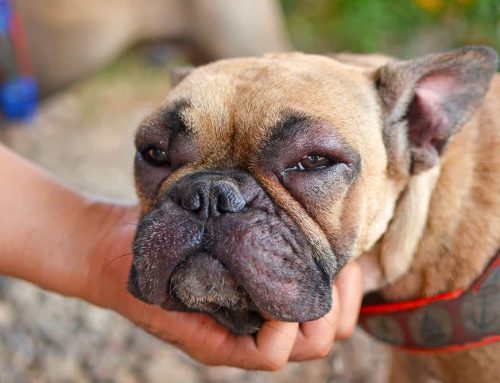
Age, breed, and health matter. Short-nosed breeds (like pugs and bulldogs) overheat easily. Seniors may have arthritis or lower stamina. Large, deep-chested breeds can be prone to bloat with intense activity. Dogs who don’t have proper muscle built up are at risk for cruciate ligament injuries or slips that could result in broken bones and lacerations. Common pain signs include limping, slowing down, or heavy panting that doesn’t ease with rest- if you notice these symptoms, come right in.
Quick check: Does your dog bounce back the day after a moderate hike? If not, scale back, add rest days, or ask your vet for guidance before tackling tougher trails.
What gear keeps dogs safe on trails?
ID tags and a current microchip are essential in case you get separated. Use a sturdy six-foot leash for control on narrow paths, and consider long-line training for safe exploring where allowed.
Pick equipment that suits your dog. The right collar prevents neck strain, or try a head halter or harness to manage pulling. Many hikers prefer front-clip harnesses to gently redirect pulling.
Pack the basics: extra water, a collapsible bowl, high-value treats, waste bags, booties for foot protection, and a small first aid kit. Bring any daily meds plus a little extra. Save emergency contacts for your regular vet and the nearest emergency facility on your route.
How do you protect paws on rough terrain?
Are your dog’s paws trail-ready?
Healthy paws start at home. Keep nails short so your dog’s weight lands correctly. Long nails change gait, are at risk for tearing when caught in rocks, and increase slip risk. Trimming nails prevents these issues if you’re new to it.
Check pads before each hike for cracks, cuts, or thin spots. Look between toes for debris or irritation. Dogs who regularly walk on varied surfaces handle trails better than dogs used only to carpet and grass.
Minor scrapes often heal with rest, but cracked or torn nails are painful and can get infected. Deep pad cuts, punctures, or bleeding that won’t stop need emergency care. We treat severe paw injuries with cleaning, pain control, and protective bandaging to support healing. A set of booties can prevent paw pad wear or protect feet after cuts or torn nails until you can be seen.
What trail conditions damage paws?
Heat is a big one. Rock, sand, and asphalt can get much hotter than the air. Try the seven-second test: if you can’t hold your hand on the surface for seven seconds, it’s too hot. Plan walks for cooler hours and follow summer paw protection strategies.
Winter brings ice, snow, and de-icers that can burn or irritate. Rinse paws after walks and use winter paw care practices like protective balms. Use booties or keep toe hair trimmed to prevent snow from balling up between toes.
Sharp rocks, thorns, and plant awns can puncture pads. Foxtails are especially risky because they can burrow into tissue. These usually require veterinary removal.
Consider paw wax for a protective barrier, or dog booties for tough terrain. Let your dog practice wearing booties at home first. After hikes, rinse paws and check between toes to remove dirt, grass seeds, and irritants.
What should you do for paw injuries on the trail?
If a pad bleeds, apply firm pressure with clean cloth or gauze for several minutes. For nail bleeds, styptic powder helps clotting and is great for a trail kit.
Cover the area with a bootie to keep dirt out, then head back to the trailhead. Change the wrap or bootie if it gets wet or dirty and keep your dog’s activity low.
Seek veterinary care for deep cuts, punctures, embedded objects, or if your dog is limping severely. Prompt treatment prevents infection and speeds healing. Our emergency team can assess wounds, remove foreign material, and manage pain.
When is it too hot for hiking?
How do you recognize heat exhaustion in dogs?
Dogs cool off mainly by panting, not sweating, so they overheat faster than people. Heat exhaustion can quickly turn into heat stroke without help. Learn the early signs: heavy panting, thick drool, bright red or very pale gums, and weakness. As it worsens, dogs can vomit, stagger, collapse, or pass out. Short-nosed breeds, seniors, and overweight dogs are at higher risk.
Plan ahead with heat safety tips. Hike early or late, choose shaded routes, and offer water every 15–20 minutes. Humidity raises risk because panting works less effectively when the air is moist. Check both temperature and humidity before you go.
If your dog shows heat stress, stop immediately. Move to shade, offer small sips of cool water, and wet paws, belly, and ears with cool water. Heat stroke can cause organ damage and is life-threatening without prompt treatment. Even if your pet has cooled down and seems ok, get them checked out- sometimes the consequences of being overheated don’t show up immediately. We provide oxygen therapy and intravenous fluids to stabilize overheated dogs and prevent organ failure.
What about cold weather hiking safety?
How cold is too cold for dogs?
Cold tolerance depends on coat, size, age, and health. Double-coated breeds handle cold better than short-coated breeds. Small dogs lose heat faster than large dogs.
Follow cold weather safety practices. Frostbite targets the ears, tail, and paws and may look pale or gray and feel painful. Hypothermia causes shivering, low energy, stumbling, and, in severe cases, unconsciousness.
If your dog is lifting paws, shivering, or hugging your legs, head back. Coats or sweaters help short-coated and small breeds; make sure they fit and don’t restrict movement. Rinse off de-icers after winter walks and apply paw balm to prevent cracking. Warm your dog gradually indoors with towels and room-temperature water available.
What wildlife dangers should you prepare for?
How do you prevent wildlife encounters?
Leashing prevents most confrontations and protects dogs from cliffs, unstable ground, and territorial animals. Make gentle noise so wildlife has time to move away. Stay on marked trails and keep an eye out for tracks, scat, or disturbed brush. Prevent your dog from sticking their face in rock piles or running through grassy areas to prevent snake bites.
Know your dog’s cues. Understanding canine body language helps you spot when they’ve sensed an animal: stiff posture, raised hackles, or intense staring. When you encounter wild animals, stay calm, keep your dog close, and back away slowly without running.
In Southern California, you may see coyotes, mountain lions, rattlesnakes, and more. Research local risks and how to respond. Any contact with wildlife needs veterinary care right away. Our emergency services can handle snake bites with antivenin and manage wounds from animal encounters with trauma care and surgery when needed.
What plants and environmental hazards threaten dogs?
Many trail plants are toxic if chewed. Teach “leave it” and supervise closely. Mushrooms are tricky; assume unknown mushrooms are unsafe.
Don’t let dogs drink from ponds or puddles. Natural water can contain parasites, bacteria, or toxic algae. Blue-green algae can be deadly, and contaminated water can spread giardia and leptospirosis.
Foxtails and grass awns are especially problematic in California. Keeping your dog out of tall grass can prevent many foxtail injuries, but you should diligently check between toes and around ears after every trail adventure.
Ticks can transmit Lyme disease and other illnesses. Year-round tick prevention is recommended in many regions. Do thorough checks after hikes, and remove ticks with fine-tipped tweezers by pulling straight out.

Are you ready for trail emergencies?
What belongs in your trail first aid kit?
A simple kit can prevent small issues from becoming big problems. Pack gauze pads, self-adhesive wrap, antiseptic wipes, tweezers, and styptic powder. Include daily meds plus extras in case you’re delayed.
Keep key numbers handy: your regular vet, the closest emergency clinic, and poison control. Consider pet first aid training to gain confidence in emergencies.
Smart planning prevents many crises. Preventing pet emergencies starts with picking realistic routes based on your dog’s fitness, knowing the trail length and elevation, and having a backup plan if your dog tires early.
For remote hikes, think through transport. Small dogs can be carried; larger dogs may need two-person assists or a lightweight emergency stretcher. Practice how you’d lift safely so you’re ready if the need arises.
How do you check your dog after hiking?
Do a quick head-to-tail check. Use this DIY dog checkup approach: inspect paws and between toes, feel for burrs and foxtails, look inside ears, and scan the coat for ticks and scrapes.
Check eyes and gums, and note any tender spots. Over the next day or two, watch for limping, low energy, vomiting, diarrhea, or behavior changes. Some issues appear after the adrenaline wears off.
Trust your gut. If something feels off, we’re here to help. We’re open evenings, weekends, and holidays for urgent concerns. Early care can prevent complications and speed recovery.
Your partner in safe trail adventures
Hiking with your dog should be fun, safe, and memorable. Build fitness slowly, protect paws, plan around weather, and carry a simple first aid kit. These steps prevent most problems and keep your adventures on track.
If your dog is injured or shows signs of heat or cold stress, seek care promptly. Fountain Valley Emergency Pet Hospital treats hiking-related emergencies with compassionate, timely support. We’re open weeknights from 6:00pm to 8:00am and 24 hours on weekends and holidays. Have questions or want help planning? Request an appointment or contact our emergency team at (562) 554-4700. We’re here to partner with you, ease worries, and keep your trail buddy safe.



Leave A Comment