

Exercise Safety in Dogs: Preventing Overexertion and Emergency Collapse
It happens in a flash: one minute your canine is running with Olympic enthusiasm, chasing a tennis ball like it’s the last one on earth, and the next they are slowing down, stumbling, or just stopping completely on the grass. When a dog pushes their limits too far, it can sometimes lead to what we call overexertion or exercise-related collapse, a situation that needs attention because it means your dog’s body is struggling to keep up with the demands placed on it.
Addressing sudden weakness or collapse requires immediate, calm action and a trusted veterinary partner who can assess the situation thoroughly. As an emergency and urgent care practice, we offer comprehensive services like digital X-rays, blood work, ECG/EKG, ultrasound, oxygen therapy, and trauma care to quickly pinpoint what your pet needs. If you ever notice signs of overexertion, don’t hesitate to request an appointment or contact us for guidance and support.
What is exercise-related collapse in pets?
Exercise-related collapse is a sudden loss of strength, coordination, or consciousness during or shortly after activity. Some causes are manageable, while others signal serious heart, metabolic, or neurologic problems.
Think of the difference between simple fatigue and collapse. Fatigue looks like a pet slowing down, choosing to rest, and recovering quickly with water and shade. Collapse is different: your dog can’t stand, may stumble or lose consciousness, and gums may appear pale or bluish.
Episodes can appear within minutes of intense activity and may resolve within 10 to 30 minutes, but any collapse deserves a veterinary assessment.
Could it be genetic Exercise-Induced Collapse?
Some dogs have a specific inherited condition known as EIC, short for Exercise-Induced Collapse. Most commonly seen in Labrador Retrievers and related sporting breeds, EIC episodes often appear after 5 to 10 minutes of high-excitement activity like retrieving or fast-paced play.
A known Dynamin-1 mutation is associated with this condition, and breeders or owners sometimes pursue testing to inform activity choices.
What helps day to day:
- Short, mellow play sessions instead of prolonged, intense retrieving.
- Avoiding high-heat, high-humidity outings that add strain.
- Pausing at the first sign of wobbling or hind-end weakness.
Our emergency team can stabilize an active episode and coordinate follow-up diagnostics with your family veterinarian. If you’re seeing patterns, reach out so we can guide next steps.
Can heart problems cause exercise intolerance or collapse?
Yes. Heart disease can limit safe activity and cause weakness, fainting, or collapse during exertion. Common cardiac conditions include rhythm problems, valve disease, and heart muscle changes that reduce blood flow during activity and lead to reduced exercise tolerance.
Practical signs you might notice include a pet slowing down on walks or needing frequent breaks, reluctance to climb stairs or jump into the car, and heavier breathing after modest exertion, sometimes with a cough.
Pulmonary hypertension affecting exercise capacity
One specific cardiac condition that severely impacts exercise tolerance is pulmonary hypertension, which involves elevated blood pressure in the lungs’ blood vessels. This condition makes the heart work harder and reduces oxygen delivery during activity, causing exercise intolerance, fainting, difficulty breathing, and collapse.
A proper cardiac workup often includes a physical exam, listening for murmurs or abnormal rhythms, ECG/EKG, and sometimes an echocardiogram. If your dog tires too quickly or seems faint after exercise, let our team know so we can advise whether an urgent visit is best.
What is syncope, and how is it different from a seizure?
Syncope is a fainting episode caused by a temporary drop in blood flow to the brain, usually due to a heart problem. Many owners first read about syncope when their pet has a brief collapse that looks like a seizure.
Helpful distinctions:
- Syncope: sudden fall, brief stiffness or limpness, fast recovery, minimal confusion.
- Seizure: paddling, jaw chomping, longer disorientation after, possible incontinence.
Common triggers include intense play, barking fits, coughing, or straining to defecate. Our emergency clinicians assess heart rhythm at the bedside and coordinate follow-up with your primary veterinarian for advanced testing when indicated.
What metabolic causes can lead to weakness or collapse?
Metabolic disorders can cause pets to collapse or show weakness during activity when the body is unable to maintain normal function during increased physical demands.
Hypoglycemia and blood sugar emergencies
Low blood sugar is a potentially serious cause of weakness, disorientation, and collapse during or after exercise. Understanding hypoglycemia emergencies helps owners recognize warning signs including wobbling, confusion, trembling, and potential seizures if untreated. Diabetic pets who skip a meal and then exercise, or toy breeds with portosystemic shunts are at risk of hypoglycemia.
Emergency first aid involves rubbing corn syrup on gums if the pet is conscious, but immediate veterinary care is essential for severe episodes.
Anemia reducing oxygen delivery
When pets have low red blood cell counts, known as anemia, oxygen delivery is limited to muscles and organs during exertion. This causes rapid fatigue, weakness, pale gums, and potential collapse when oxygen demands increase with activity.
Acute anemia may present dramatically with sudden weakness, while chronic anemia often shows gradual decline in stamina that owners might mistake for aging.
Myasthenia Gravis causes muscle weakness
Myasthenia gravis disrupts communication between nerves and muscles, and exercise makes it worse. A dog with this condition might start a walk looking perfectly normal, then become progressively weaker or collapse after a few minutes of activity. Rest helps them recover, but the weakness returns once they start moving again.
Can respiratory problems cause exercise-related collapse?
Yes. Breathing problems limit a pet’s ability to exercise safely and can cause distress during or after activity. When pets experience respiratory distress, warning signs include noisy breathing, exercise intolerance, blue gums, excessive panting, and collapse.
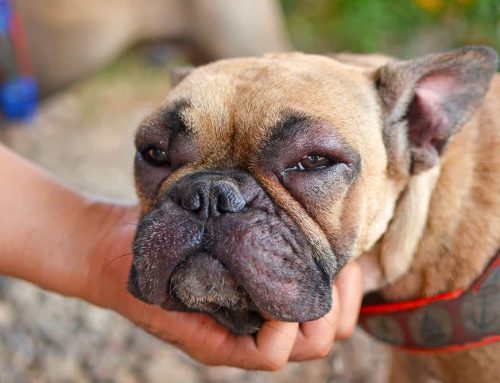
Brachycephalic Obstructive Airway Syndrome affects bulldogs, pugs, and other short-nosed breeds, while age-related conditions like laryngeal paralysis commonly affect senior dogs. If you’re unsure where to start, our services overview can help you understand the types of testing we offer during urgent visits.
How does heat-related illness cause collapse?
Heatstroke is a life-threatening emergency that can develop rapidly during exercise, especially in hot, humid weather. It’s critical to know how quickly this condition develops and the severity of its consequences.
Risk factors include brachycephalic breeds, thick coats, obesity, and underlying health conditions. Warning signs include excessive panting, drooling, weakness, and collapse.
Can allergic reactions cause sudden collapse?
Yes. Anaphylaxis is a severe, rapid allergic reaction that can cause sudden collapse during outdoor activities when pets encounter allergens like insect stings or environmental triggers. This life-threatening reaction associated with anaphylactic shock causes blood pressure to drop dramatically, airways to constrict, and organs to fail without immediate treatment.
Warning signs include facial swelling, hives, vomiting, difficulty breathing, and collapse. The reaction progresses rapidly from first symptoms to collapse, making anaphylaxis always an emergency requiring immediate epinephrine and supportive care.
What signs should prompt an immediate veterinary visit?
If your pet shows collapse, severe breathing difficulty, or blue-tinged gums, seek emergency care right away. When in doubt, trust your instincts and call for guidance.
Red flags that need urgent attention:
- Collapse that doesn’t resolve promptly, or that results in a full loss of consciousness.
- Labored breathing, excessive panting, facial swelling, or blue or very pale gums.
- Seizure-like activity, profound weakness, or inability to stand.
- Collapse with vomiting or diarrhea
- Collapse in hot weather- heat stroke requires careful cooling and monitoring after
If these signs appear, please contact us for immediate guidance, or request an appointment for urgent follow-up if your pet is stable.
How do veterinarians diagnose exercise-related collapse?
Diagnosis starts with a detailed story of what happened and a focused exam. We tailor testing based on breed, age, activity, and the episode’s features.
Common steps include:
- History and exam: triggers, duration, recovery, and any prior episodes.
- Blood work: checking for anemia, blood sugar changes, electrolytes, and organ function.
- Cardiac evaluation: ECG/EKG, chest radiographs, and echocardiography when indicated.
- Specialized testing for genetic EIC or Myasthenia Gravis
Cardiac diagnostic testing
Specialized cardiac diagnostics help identify heart-related causes of collapse. Electrocardiograms record electrical activity to detect arrhythmias and rhythm abnormalities that may trigger syncope or weakness. Echocardiograms use ultrasound to visualize heart structure, measure chamber sizes, assess valve function, and evaluate pumping efficiency.
At Fountain Valley Emergency Pet Hospital, we use on-site blood analyzers, ECG/EKG, digital X-ray, and ultrasound to move quickly from stabilization to answers. For a clear overview of how we approach testing during urgent visits, explore our emergency services.

What helps manage and prevent collapse episodes?
Management depends on the underlying cause, and every pet’s plan is individualized. The goal is safe movement without stressing the body.
Owner-friendly strategies:
- Heart-healthy activity modification: shorter sessions, mellow play, and avoiding intense, prolonged retrieving.
- Environmental care: exercise during cooler hours, take shade and water breaks, and watch humidity.
- Medications: follow dosing for cardiac or metabolic treatments and keep rechecks on schedule.
Our clinicians coordinate care with your family veterinarian and provide guidance on safe reintroduction of activity after an episode. If you need help planning next steps, you can request an appointment and we will guide timing and priorities.
Your partner for happy, healthy pets
Exercise-related collapse is frightening, but with prompt evaluation and a plan, most pets continue to enjoy activity safely. Our emergency team in Fountain Valley offers stabilization, diagnostics, and coordination with referring veterinarians, so you’ll always know what comes next.
We are here with extended evening, weekend, and holiday hours to help when you need it most. If you have concerns or want guidance, please contact us or come right in.



Leave A Comment